


Rental Guide

Short-term and Furnished Rental Property
This type of property is for people who are here on a tourist visa or people whose stay in Japan is of a limited or uncertain duration. You can rent it on a monthly basis and it is usually equipped with everything you need to live an everyday life. Usually, the landlord of this type of property will not ask for hefty starting costs which Japan is known to charge when renting long-term, unfurnished rental properties.
They would normally only ask for upfront rent, utility fees based on fixed monthly charges (will be charged more if used excessively or there are multiple residents), cleaning fee based on the length of your stay, and depending on the property they may charge you for wifi, hairdryer, bedding sets, etc.
This type of rental property is flexible in rental period and has low starting costs but it will typically be much smaller or more expensive than what you would normally pay for long-term unfurnished properties. Not to mention, it is relatively limited in number and you may have difficulty finding one in your favorite neighborhood. Property information can be found on the internet, and you’d have to contact the landlord directly. Local agents in town do not broker short-term rental properties.

Long-term and Unfurnished Rental Property
This type of property is for people who are staying in Japan with a long-term visa either working or studying and have plans to stay for at least several years, either renting personally or through their company.
Things You Need to Know and Have
How well you need to speak Japanese
Japanese landlords and landlord agents (hereafter collectively called “landlord”) are highly concerned of how well you speak Japanese. In some cases, it isn’t even the landlord who is concerned but more the real estate company who does the day-to-day management of the property and is the one communicating with you throughout your lease.
Many of you may know a Japanese speaker who can help you with communicating with your landlord, like your friend or people at work, but the landlord expects you to have sufficient language skills to be able to understand given orders during an emergency situation.
However, rest assured there are landlords who don’t care as much, or they are fine as long as you’re using paid services helping you to communicate with them.
Find an agent who will do their due diligence to find the right landlord you should rent from as it would be wasted effort and time trying to rent from the wrong ones.
Residence Card, Japanese Phone Number, and Employment Letter or Enrollment Certificate
To rent a long-term rental property you will need a residence card. Having a residence card would mean having a sponsor in Japan or your business activities are permitted. Japanese landlords care only about whether you’re working and earning stable income here in Japan, rather than how much you’re earning abroad or how much savings you have in your overseas accounts.
You will also need a local phone to go through the guarantor company background check for your rental application, and this can’t be messaging apps like LINE or internet phones. If you already have a phone device, you could possibly acquire a voice SIM on your arrival at the airport by booking one in advance. This way it’s easier than getting one in the city, as that will require you to have a Japanese home address.
Upon your rental application, you’ll be asked to hand in an employment letter stating your annual salary (could be replaced by an employment contract) to show that you’re capable of paying the rent. Normally, your monthly rent should be within one-third of what you earn on a monthly basis before tax reduction. If you’re a student you’ll need to submit an enrollment certificate or a student card, and at times will be asked to show your balance at your Japanese or international bank.
Using Guarantor Company Service
Almost all foreigners will be asked to use a guarantor company (保証会社 Hosho-kaisha) as opposed to being asked for a personal guarantor. Guarantor company simply addresses concerns over any late and non-payments to make it hassle-free for landlords to collect debts. Of course, there are landlords who still prefer a personal guarantor over a guarantor company. But since a guarantor in Japan normally means a family member or relative, that would not be an option for most foreigners.
In order to use a guarantor company you will always need to provide an emergency contact person in Japan, and most of the time they prefer Japanese or a foreigner with permanent residency. The role of the emergency contact person is to know your whereabouts at all times but not to guarantee any liabilities tangible or intangible arising from your contract.
Buying your own furniture and appliances, and paying utility and internet fees
Most apartments/houses do not come with furniture and appliances except maybe for air conditioners, cook stove, and light fixtures, but that’s about it.
For utilities, you’ll have direct contracts with respective utility companies and will be charged based on usage. Most of the time there’ll be no internet hook-up in your rental property, so you’ll have to have it installed. There may be installation costs arising from it on top of monthly usage charges.

Starting Costs
Approximately 4 - 6 months' rent
Deposit (1 or 2 months' rent)
Key money (1 month's rent or none)
First month’s rent pro-rated and next month's full rent
Guarantor company fee (0.5 -1 month's rent which is a one-time payment)
Housing insurance premium 15,000 - 25,000 yen (for 2 years)
Agency fee (1 month’s rent + tax)
Below costs may apply additionally
Lock change fee 12,000 - 35,000 yen
24-hour support service 10,000 - 15,000 yen
Sanitization fee 5,000 - 12,000 yen
Contract processing fee 5,000 - 10,000 yen
Deposit
Usually, you need to pay 1 or 2 months of your rent as deposit. You’ll receive back this deposit at the end of your lease, after cleaning fee and repair fees are appropriated. If you did not make any new damages during your rental term then only the cleaning fee will be deducted and the rest returned.
Please note at times there may be a special clause in the lease saying that the deposit will not be refunded. In that case, the landlord will use the deposit to clean your room and fix damages, and keep any balance. Keep in mind though if your repair fees exceed the deposit the landlord will ask you to pay the difference.
Key Money
Usually, you need to pay 1-month worth of key money at most but sometimes none is asked for. This fee is non-refundable, and the money just goes into the landlord’s pocket.
Upfront Rent
In most cases the landlord will charge you the prorated rent of the first month and the full rent of the next month. If your contract starts before the 10th day of the month, the landlord may hold back from charging you for the next months’ rent.
Guarantor Fee
The guarantor company (保証会社 Hosho-kaisha) is always selected by the landlord and you cannot choose freely. The guarantor fee is anywhere between 30 – 100% of the monthly rent which is a one-time payment. There’s usually an annual renewal fee of 10,000 – 12,000 yen, or in lieu of that, a monthly guarantor fee of a few percents of the monthly rent.
Housing Insurance Premium
The insurance company is always selected by the landlord and a fixed plan is usually prepared. The premium will range between 15,000 – 30,000 yen depending on your household structure.
The insurance covers any damages to your household belongings caused by natural calamity, theft, water exposure from plumbing troubles, and even when you break your own personal items while cleaning your room. It also has a landlord and third-party liability coverage which covers any damages you may inflict on others.
Most insurance plans proposed from landlords do not include earthquake coverage which may come as a surprise to most people knowing that Japan is a country of earthquakes. However, it is also a fact that it would need to be one large earthquake to significantly damage any of your personal belongings. Furthermore, since the earthquake insurance pays out only a low percentage of the value of your items, most people don’t bother to be covered.
Agency Fee
Agency fee is usually 1 month of the rent which does not include management fee in the calculation, plus consumer tax.
Other Small Fees (please note that these fees may or may not arise)
Lock change fee: 10,000 – 30,000 yen
24-hour support service fee: 12,000 – 15,000 yen
Sanitization fee: 5,000 – 12,000 yen
Contract processing fee: 5,000 – 10,000 yen
RENTAL FLOWCHART
1. Prepare required items for rental contract
2. Contact an agent and start your property search
3. Tour and apply for an apartment
4. Wait for background checks (duration 1-5 business days)
5. Once your application is accepted then finalize move-in date
6. Contract signing and contract fee payment
7. Arrange for utility and internet services, and buy furniture and appliances
8. Receive keys and move in
Prepare required items for rental contract
Make sure you have your residence card, Japanese phone number, and if you’re just starting work then your employment letter, and if you’re studying at a school your enrollment certificate before initiating your property search.
Contact an agent and start your property search
Contact an agent and consult about your housing criteria, ideal moving date, and share information about yourself, such as, work situation, annual income, nationality, Japanese speaking skills, etc. Your agent will then start looking for your rental property.
Tour and apply for an apartment
Tour candidate properties and once you’ve found the right place put in an application guided by your agent. You’ll need to turn in all required items mentioned above at this time.
Wait for background checks to complete (duration 1-5 business days)
Background check will begin and usually takes 1 – 5 business days depending on how busy the landlord is.
Once your application is accepted then finalize move-in date
Once your application is accepted, decide on your move-in date which shouldn’t be more than 3 - 4 weeks from your application date. Some landlords will have a strict starting date requirement which could be anywhere between 7-14 days from your application date.
Contract signing and contract fee payment
The contract signing date and contract fee payment deadline will be set 3 - 10 days after your application is accepted. The contract fee shall be paid by bank transfer, and paying cash or with a credit card is usually not an option. Some people will not have a Japanese bank account for this payment as opening a Japanese account requires a Japanese home address. If you don’t have a Japanese account then you should seek help from someone you know or your agent to transfer the money for you through their accounts.
If you don’t have a bank account in Japan and need to make a wire transfer at a bank or post office, you’ll be limited to transferring only 100,000 yen per day. This is generally not preferred by landlords, as they usually do not accept payments in installments.
Contract signing will be held either at your agent’s or landlord’s office and the contract will be explained in English by your agent. After you’ve signed the contract pay the contract fee.
Arrange for utility and internet services, and buy furniture and appliances
Arranging for utility services can be guided by your agent, and if you need internet connection at home you should start contacting the internet provider of the property early. Setting up an internet connection could take weeks as you may need your internet company to install internet lines to your room for the first time.
If you’re starting a new life in Japan, then you’ll have to buy furniture and appliances yourself. I’ve seen people having to wait weeks to get their furniture delivered so it would be best to start shopping right after you’ve been accepted.
Receive keys and move in
Receive the keys and move in. Within 7 – 10 days of your entry you will need to hand in a report of any damages that existed when you entered the property. Handing in this report can protect you from being charged for damages that you did not make. Even if the landlord does not require you to hand in pictures, you should take them anyway for your own sake.

Renting Through Your Company
Before you contact any local agent make sure to find out whether you are allowed to work with a brokerage company that is not appointed by your company. Sometimes your company will not allow you to work with an outside agent and finding this out later may be unpleasant for all parties.
Advantages and Disadvantages of Renting Through Your Company
Advantages
Unlike renting on your own, you may not be required to speak Japanese at all, since your company can be a point of contact. Your only task is basically to find a property you like and just let your agent and your company administrator handle the rest of the rental procedure.
Who pays your initial contract fee will differ in each individual case but normally the rent is paid under the company’s name, and usually the paid rent is deducted from your paycheck.
In the grand scheme of things, landlords prefer leasing properties to corporations as they have less worry about rent not being paid or rent not coming on time, but some owners may say “no” to company contracts as leases can end abruptly due to personnel relocation.
Disadvantages
If there is a property you wish to rent that is owned by a non-resident of Japan, your company may not allow it. When the owner of the property is a non-resident (非居住者 He-kyo-jusha), the renter is obliged to pay withholding tax (源泉徴収税 Gensen-choshu-zei) on behalf of the owner. Each month your accounting department will have to pay 79.79% of the rent to the owner’s account and the other 20.21% to the local tax office, and this is deemed burdensome as it needs to be done every month. So, especially with big corporations they will say “no” to this type of property.
Some corporations have other rules that they’re not willing to bend so it is best to check what they are before initiating your property search with your agent.
Starting Costs
Approximately 4 - 6 months' rent
Deposit (1 or 2 months' rent)
Key money (1 month's rent or none)
First month’s rent pro-rated and next month's full rent
Guarantor company fee (0.5 -1 month's rent which is a one-time payment)
Housing insurance premium 15,000 - 25,000 yen (for 2 years)
Agency fee (1 month’s rent + tax)
Below costs may apply additionally
Lock change fee 12,000 - 35,000 yen
24-hour support service 10,000 - 15,000 yen
Sanitization fee 5,000 - 12,000 yen
Contract processing fee 5,000 - 10,000 yen
*Check with your company on which payment items they will shoulder.
Deposit
Usually, you need to pay 1 or 2 months of your rent as deposit. You will receive back this deposit at the end of your lease, after cleaning fee and repair fees are appropriated. If you did not make any new damages during your rental term then only the cleaning fee will be deducted and the rest returned.
Please note at times there may be a special clause in the lease saying that the deposit will not be refunded. In that case, the landlord will use the deposit to clean your room and to fix damages, and keep any balance. Keep in mind though if your repair fees exceed the deposit the landlord will ask you to pay the difference.
Key Money
Usually, you need to pay 1-month worth of key money at most and sometimes none is asked for. This fee is non-refundable and the money just goes in to the landlord’s pocket.
Upfront Rent
In most cases the landlord will charge you the prorated rent of the first month and the full rent of the next month. If your contract starts before the 10th day of the month, the landlord may hold back from charging you for the next months’ rent.
Guarantor Fee
The guarantor company (保証会社 Hosho-kaisha) is always selected by the landlord and you cannot choose freely. The guarantor fee is anywhere between 30 – 100% of the monthly rent which is a one-time payment. There’s usually an annual renewal fee of 10,000 – 12,000 yen, or in lieu of that, a monthly guarantor fee of a few percents of the monthly rent.
If the company you work for is a public company, the landlord will not usually require any guarantor company or a guarantor. However, the landlord will always require an emergency contact person who can be reached at all times.
Housing Insurance Premium
The insurance company is always selected by the landlord and a fixed plan is usually prepared. The premium will range between 15,000 – 30,000 yen depending on your household structure.
The insurance covers any damages to you household belongings caused by natural calamity, theft, water exposure from plumbing troubles, and even when you break your own personal items while cleaning your room. It also has a landlord and third-party liability coverage which covers any damages you may inflict on others.
Most insurance plans proposed from landlords do not include earthquake coverage which may come as a surprise to most people knowing that Japan is a country of earthquakes. However, it is also a fact that it would need to be one large earthquake to significantly damage any of your personal belongings. Furthermore, since the earthquake insurance pays out only a low percentage of the value of your items, most people don’t bothered to be covered.
Agency Fee
Agency fee is usually 1 month of the rent which does not include management fee in the calculation, plus consumer tax.
Other Small Fees
(please note that these fees may or may not arise)
Lock change fee: 10,000 – 30,000 yen
24-hour support service fee: 12,000 – 15,000 yen
Sanitization fee: 5,000 – 12,000 yen
Contract processing fee: 5,000 – 10,000 yen
Rental Flow Chart
1. Check with your company to confirm their housing policies and also determine which agent you are allowed to work with
2. Contact an agent and start your property search
3. Tour and apply for an apartment
4. Once your application is accepted, the agent will explain the important matters of the contract to you, and your company will stamp the contract
5. Arrange for utility and internet services
6. Start buying furniture and appliances
7. Receive keys and move in
Check with your company to confirm their housing policies and also determine which agent you are allowed to work with
Before starting your search, check if there are any rental conditions your company does not approve of and whether your company has appointed an exclusive brokerage company for you to work with.
Contact an agent and start your property search
Inform your agent of your criteria and initiate your property search.
Tour and apply for an apartment
Tour candidate properties and once you have found the right place, let the agent know to make an application for the property before it is taken by others. The rule of thumb for rental applications is first-come-first-serve and whoever submits the application first has priority to rent the property. Make sure to inform your agent about anything you want to negotiate on and this should be mentioned at the beginning and not in the middle of the application process.
For the application, your agent will need you to inform your company that you have found a property you like and you want them to process the rental application, plus, your agent will need the front and back copies of your residence card.
Once your application is accepted, the agent will explain the important matters of the contract to you, and your company will stamp the contract.
Once the application is accepted from the property landlord the contract papers will be sent to your company to be stamped. Any important information or rules that you should know from the contract will be explained by your agent.
Arrange for utility and internet services
Arranging for utility services can be guided by your agent, and if you need internet connection at home you should start contacting the internet provider of the property early. Setting up an internet connection could take weeks as you may need your internet company to install internet lines to your room for the first time.
Start buying furniture and appliances
You will have to buy your own furniture and appliances as most apartments/houses will not come with them. They are usually equipped with only air conditioner, cook stove, and light fixtures. I have seen people having to wait weeks to get their furniture delivered so it would be best to start shopping right after your application has been accepted.
Receive keys and move in
Receive the keys and move in. Within 7 – 10 days of your entry you will need to hand in a report of any damages that existed when you entered the property. Handing in this report can protect you from being charged for damages that you did not make. Even if the landlord does not require you to hand in pictures, you should take them anyway for your own sake.

Moving to a New Place
Are you changing jobs? Do you need a bigger place? Don’t like where you live, or are you going to move out of room share to live on your own? Moving may be for all kinds of reasons but here are some points to keep in mind.
Points to Keep in Mind When Moving to a New Place
Timing for giving out your cancellation notice
Many of you may wonder when the best time is for giving out your cancellation notice. This depends on how long your advance notice period is. Some contracts require 2 months while others only 1.
For those with 1-month notice, you should wait until you have been officially accepted to your new rental property and not when you have just found a property you like. Your application may fall through and you could be at risk of not being able to take back your cancellation notice, so it is always best to secure your next place first before giving out your notice.
Your new landlord will typically only wait 2 – 4 weeks for you to start your contract from the application date. Have in mind that having 2 weeks overlap is always safe as you may need time to newly install internet in your new place, or you may encounter last minute surprises, such as falling ill and wanting to postpone your moving for a few days, or there could be a mis-booking of your moving company, etc.
Transferring In and Out of Wards, Mail Forwarding, Changing Address for Utilities, Internet, and Other Related Matters
When you move, you will need to change your home address on your residence card. You should do this only after you have finished moving and not before, as your local Ward office will not allow you to make this transfer in advance. Make sure you visit your old Ward office first in order to transfer out before transferring in to your new place.
Your utility contracts can be transferred to your new place by calling each utility company directly with 1 or 2 calls, or the transfers could also be done through the utility companies’ websites. Your last bill will be sent to your new home.
Internet contracts can be transferred too if the same internet company is used at your new home, but you still may have to arrange for internet construction yourself if the internet connection is not pre-installed in your particular unit. If the same company is not available then you will have to use what is available at the new place.
Make sure to request mail forwarding at the local post office of your current home or through Japan Post’s website. It will be effective for 1 year.
Driver’s license, your registered home address with your Japanese banks, credit cards, etc., have to be changed along with your moving.
Move-Out Inspection
Once you have moved all your furniture and appliances out and removed all trash and the place is completely empty, you will need to spot-inspect it with your landlord or your landlord’s agent usually before the lease’s last day.
You will inspect the place together for new damages that you made during your occupancy and determine it all at the site. This is when the damage report that you filed together with any pictures taken upon entry becomes useful.
During the spot inspection, the scope of repair you are responsible for will be apparent, and on a later day you will be sent the breakdown of what you are charged. Be aware that your landlord may demand more than you should have to bear, so consult with a real estate professional about what the norm is.
For instance, you should not have to pay for replacing all the wallpaper in a room just because you made a mark or two. Same with the floor. Of course, if the contractual agreement stipulates differently you may need to comply. You should therefore double check with your landlord’s agent before agreeing to pay.

Starting Costs
Approximately 4 - 6 months' rent
Deposit (1 or 2 months' rent)
Key money (1 month's rent or none)
First month’s rent pro-rated and next month's full rent
Guarantor company fee (0.5 -1 month's rent which is a one-time payment)
Housing insurance premium 15,000 - 25,000 yen (for 2 years)
Agency fee (1 month’s rent + tax)
Below costs may apply additionally
Lock change fee 12,000 - 35,000 yen
24-hour support service 10,000 - 15,000 yen
Sanitization fee 5,000 - 12,000 yen
Contract processing fee 5,000 - 10,000 yen
Deposit
Usually, you need to pay 1 or 2 months of your rent as deposit. You will receive back this deposit at the end of your lease, after cleaning and repair fees are appropriated. If you did not make any new damages during your rental term then only the cleaning fee will be deducted and the rest returned.
Please note at times there may be a special clause in the lease saying that the deposit will not be refunded. In this case, the landlord will use the deposit to clean your room and fix damages, and keep any balance. Keep in mind though if your repair fees exceed the deposit the landlord will ask you to pay the difference.
Key Money
Usually, you need to pay 1-month’s worth of key money at most but sometimes none is asked for. This fee is non-refundable and the money just goes into the landlord’s pocket.
Upfront Rent
In most cases the landlord will charge you the prorated rent of the first month and the full rent of the next month. If your contract starts before the 10th day of the month, the landlord may hold back from charging you for the next months’ rent.
Guarantor Fee
The guarantor company (保証会社 Hosho-kaisha) is always selected by the landlord and you cannot choose freely. The guarantor fee is anywhere between 30 – 100% of the rent which is a one-time payment. There’s usually an annual renewal fee of 10,000 – 12,000 yen, or in lieu of that, a monthly guarantor fee of a few percents of the monthly rent.
Housing Insurance Premium
The insurance company is always selected by the landlord and a fixed plan is usually prepared. The premium will range between 15,000 – 30,000 yen depending on your household structure.
The insurance covers any damages to you household belongings caused by natural calamity, theft, water exposure from plumbing troubles, and even when you break your own personal items while cleaning your room. It also has a landlord and third-party liability coverage which covers any damages you may inflict on others.
Most insurance plans proposed from landlords do not include earthquake coverage which may come as a surprise to most people knowing that Japan is a country of earthquakes. However, it is also a fact that it would need to be one large earthquake to significantly damage any of your personal belongings. Furthermore, since the earthquake insurance pays out only a low percentage of the value of your items, most people don’t bother to be covered.
Agency Fee
Agency fee is usually 1 month of the rent which does not include management fee in the calculation, plus consumer tax.
Other Small Fees
(please note that these fees may or may not arise)
Lock change fee: 10,000 – 30,000 yen
24-hour support service fee: 12,000 – 15,000 yen
Sanitization fee: 5,000 – 12,000 yen
Contract processing fee: 5,000 – 10,000 yen
Rental Flowchart
1. Check your advance cancellation notice period and decide on the timing for giving out your cancellation notice
2. Contact an agent and start your property search
3. Tour and apply for an apartment
4. Once your application is accepted finalize the move-in date
5. Contract signing and contract fee payment
6. Start looking for a moving company
7. Arrange for utility and internet services
8. Receive keys and move in
Check your advance cancellation notice period and decide on the timing for giving out your cancellation notice
Find out how early you need to give your cancellation notice. Decide whether you give your notice first then start looking or wait until you have secured your next place.
Contact an agent and start your property search
Contact an agent and consult about your housing criteria, your ideal moving date, and share information about yourself, such as work situation, annual income, nationality, Japanese speaking skills, etc. Your agent will then start to search for your property. Find an agent who will do their due diligence in finding suitable landlords accepting of your present Japanese level. You may remember from your first experience that the majority of landlords require language proficiency and they restrict foreigners who have limited daily conversational skills. I cannot stress this point enough since it would be wasted effort and time trying to rent from the wrong landlords.
Tour and apply for an apartment
Tour candidate properties, and once you find the right place let the agent know to make an application for the property before it is taken by others. The rule of thumb for rental applications is first-come-first-serve, and whoever submits the application first has priority to rent the property. Inform your agent about anything you want to negotiate on and this should be done at the beginning and not in the middle of the application process.
For the application, your agent will need the front and back side copies of your residence card and proof of income to show your ability to pay the rent.
Once your application is accepted finalize the move-in date
Once your application is accepted, decide on your move-in date which should not be more than 3 - 4 weeks from your application date. Some landlords will have a strict start date requirement which could be anywhere between 7 -14 days from your application date.
If you had waited to give your cancellation notice until securing your next place, now is the time to submit it. Again, it is always safe to have an overlap of rental periods for about 2 weeks for unexpected events.
Contract signing and contract fee payment
Contract signing will be held either at your agent’s or landlord’s office and the contract will be explained in English by your agent. After you have signed the contract pay the contract fee.
Start looking for a moving company
When the start date is agreed upon, start looking for a moving company. Late December to mid-March is the busiest moving season so if you are going to move during these months you should start looking immediately. Please note that Japanese moving companies do not service in English (at least the personnels that do the physical moving do not usually speak English), so if you wish to use English then look around on the internet for such a company. Make sure to get a few different quotes to compare prices as you may be able to save some money.
Arrange for utility and internet services
Arranging for utility services can be guided by your agent, and if you need internet connection at home you should start contacting the internet provider of the property early. Setting up an internet service could take weeks as you may need your internet company to install internet lines to your room for the first time.
Receive keys and move in
Receive the keys and move in. Within 7 – 10 days of your entry you will need to hand in a report of any damages that existed when you entered the property. Handing in this report can protect you from being charged for damages that you did not make. Even if the landlord does not require you to hand in pictures, you should take them anyway for your own sake.
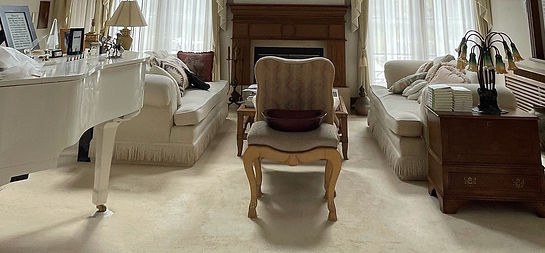
Expat Housing
Before you contact any local agent make sure to find out whether you are allowed to work with an agent that is not appointed by your company. Sometimes your company will not allow you to work with an outside agent and finding this out later may be unpleasant for all parties.
Let me point out some advantages and disadvantages of working with a brokerage company that has been referred to you by your company.
Advantages and Disadvantage of Working with a Brokerage Company Referred by Your Company
Advantages
The expat housing market is a really tight market and there are few major players in this field. Usually, the companies that have serviced expats since the 60s and 70s are the dominant players. They have long-term relationships with expat housing owners and they have a tight grip on them which creates a closed market. Often, they exclude other real estate companies from bringing their clients in to the deal. So, if the brokerage company that your company uses is one of them then that could possibly be an advantage. You may be able to get your hands on exclusive information that most other real estate companies have no access to.
Disadvantage
On the other hand, the brokerage company may only show you what is on their books which may prevent you from seeing all that is available on the market. There may be far more options than you can imagine.
Rental Flow Chart
1. Check with your company to confirm their housing policies and also determine which agent you are allowed to work with
2. Get in touch with an agent and start your property search
3. Tour and apply for an apartment
4. Once the application is accepted, your agent will explain the important matters of the contract to you, and your company will stamp the contract
5. Arrange for utility and internet services
6. Start buying or renting furniture and appliances
7. Receive keys and move-in
Check with your company to confirm their housing policies and also determine which agent you are allowed to work with
Before starting your search, check if there are any rental conditions your company does not approve of and whether your company has appointed an exclusive brokerage company for you to work with.
Get in touch with an agent and start your property search
Inform your agent which locations you like and what features you want for your rental property. If you do not know or need advice, your agent will be able to point out expat friendly neighborhoods and convenient areas for your child’s school bus route, etc. Your agent will ask you all the essential questions to find out what type of property you want.
Tour and apply for an apartment
Tour candidate properties and once you find the right place, let the agent know to make an application for the property before it is taken by others. The rule of thumb for rental applications is first-come-first-serve, and whoever submits the application first has priority to negotiate. Inform your agent about anything you want to negotiate on which should be done at the beginning and not in the middle of the application process.
For the application, your agent will need the front and back side copies of your and your family’s residence cards, and some simple information about you that is asked on the application form. Inform your company administrator that you have found a place and you want them to work with your agent toward a signed lease.
Once the application is accepted, your agent will explain the important matters of the contract to you, and your company will stamp the contract
Your company will provide any additional information needed for the application, and once the application is accepted the contract papers will be sent to your company for stamping. Any important information or rules which you should know of will be explained to you by your agent.
Arrange for utility and internet services
Arranging for utility services and setting up internet can be facilitated by your agent or your company’s relocation company.
Start buying or renting furniture and appliances
The property will usually come with most appliances, such as washing machine and dryer, refrigerator, microwave, dishwasher, oven, and air conditioners in all rooms. If not, you should try to negotiate for them along with curtains and drapes. However, they will not come with furniture so either arrange to ship your furniture from home or go with the rental option. Your agent or your relocation company can direct you to rental furniture companies around town.
Receive keys and move in
Move-in inspections will be conducted with the landlord’s agent along with your representing agent on or a few days before the contract starting day. They will give you a walk-through of the property to show you how things work as well as to go over damages that existed before your entry. This is to avoid being charged for damages which you did not cause yourself.
Starting Costs
Initial Costs
・Deposit (1 - 4 months' rent)
・Key money (1 month's rent or none)
・First month’s rent pro-rated and next month's full rent
・Housing insurance premium 25,000 - 40,000 yen (for two years)
・Agency fee (1 month’s rent + tax)
Below costs may also apply
・Lock change fee 30,000 - 50,000 yen